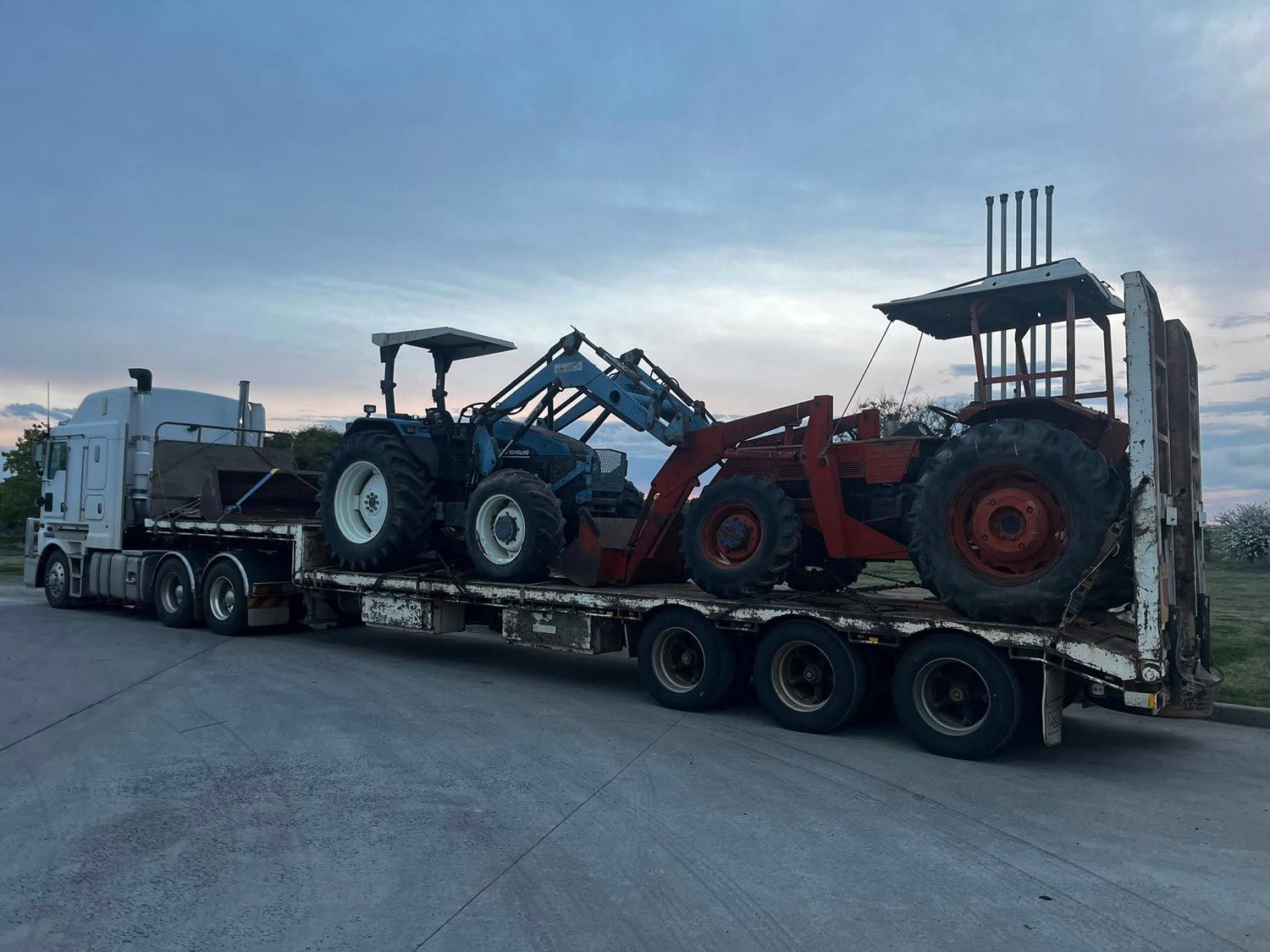
Seasonal Tractor Inspection Checklist — Autumn, Winter, Spring & Summer
As the seasons shift across the year, the demands on your tractor change too. Just like any other piece of machinery, tractors face varying stresses depending on the weather, workload and terrain. Regular seasonal inspections can prevent unexpected breakdowns, reduce downtime and extend the life of vital components. This checklist will guide you through the key tasks to keep your tractor in peak condition all year round, helping you identify when replacement parts or servicing might be necessary.
Autumn: Preparing for Cooler, Wetter Conditions
Autumn often brings cooler temperatures and increased rainfall, which can affect tractor performance, particularly in fieldwork and storage conditions. Ensuring your machine is ready for damp soil and fluctuating temperatures is essential.
- Check tyres and pressure: Wet conditions can hide tyre wear. Inspect for cracks or uneven wear and ensure pressures are correct for fieldwork.
- Inspect brakes and steering: Moisture can affect responsiveness. Check brake pads, discs and steering linkages for corrosion or wear.
- Examine belts and hoses: Cooler temperatures may reveal cracks in rubber components. Replace any showing signs of ageing.
- Lubricate moving parts: Moisture can wash away grease. Re-lubricate joints, pivots and linkages to reduce wear.
- Check lighting and electricals: Shorter days mean more work in low light. Ensure lights, indicators and battery connections are reliable.
By attending to these items in autumn, you can prevent wet-weather related damage and maintain consistent field performance.
Winter: Tackling Cold and Moisture
Winter exposes tractors to cold starts, frost, and occasional flooding in low-lying paddocks. Cold weather can stress the engine and hydraulics if the machine isn’t properly prepared.
- Test the battery: Cold weather reduces battery efficiency. Ensure terminals are clean and connections are tight. Consider a battery test for capacity.
- Inspect hydraulic systems: Cold fluid can cause sluggish operation. Check hoses for cracks, fluid levels and ensure filters are clean.
- Examine fuel systems: Diesel can gel in low temperatures. Keep fuel filters clean and consider anti-gel additives if recommended.
- Check heaters and defrost systems: Cab comfort affects operator safety. Ensure heating, defrost vents and fan operation are functional.
- Assess undercarriage and chassis: Mud and frost can accelerate rust. Remove accumulated dirt and inspect for corrosion.
Winter inspections reduce the risk of starting issues and hydraulic delays, which are common in colder months. Timely replacement of worn components ensures reliability under harsh conditions.
Spring: Preparing for Heavy Fieldwork
Spring signals a busy season. As paddocks dry out and planting or spraying begins, tractors endure prolonged operation. Preventative maintenance now keeps downtime minimal during peak workloads.
Inspect engine and filters: Replace air, fuel and oil filters. Check for leaks and ensure oil levels are optimal.
- Test cooling systems: Rising temperatures can stress radiators and hoses. Flush and top up coolant as needed.
- Grease and check PTO shafts: Ensure all PTO connections are secure, and lubrication points are serviced to prevent mid-season failure.
- Examine implements and attachments: Check wear parts on ploughs, mowers or sprayers. Replace components that could compromise efficiency.
- Review tyres and wheels: After winter, tyres may have suffered from frost cracking. Inspect rims and pressure for safe field operation.
Spring maintenance focuses on readiness for intensive work, reducing the likelihood of unexpected repairs that can halt field operations.
Summer: Heat and Dust Management
Summer exposes tractors to high temperatures, dust and long operating hours. These conditions can accelerate engine wear and affect cooling, hydraulics and electrical systems.
- Monitor engine temperature: Ensure radiators are clean and coolant levels are sufficient. Check hoses for leaks or brittleness.
- Check air intake and filters: Dusty conditions can clog filters quickly. Clean or replace air and cabin filters regularly.
- Inspect fuel system for contamination: High temperatures can encourage microbial growth in diesel. Check fuel filters and drains.
- Evaluate tyres and cooling fluids: Hot surfaces increase tyre wear and heat-related stress on fluids. Adjust pressures and monitor levels.
- Review belts and alternators: Heat accelerates wear on rubber belts and charging systems. Replace any worn components.
Addressing these areas in summer prevents overheating and component fatigue, ensuring your tractor can handle peak workloads efficiently.
General Maintenance Tips for Year-Round Reliability
Even with seasonal inspections, some practices should be maintained throughout the year to extend the life of your tractor parts.
- Keep a service log: Track maintenance dates, repairs and parts replaced.
- Regular cleaning: Prevents dirt and corrosive materials from damaging exposed components.
- Use quality replacement parts: Genuine or reputable aftermarket parts improve longevity and reduce the risk of repeated failure.
- Schedule professional servicing: Some checks, like hydraulics diagnostics or engine tune-ups, are best handled by a qualified technician.
Following consistent maintenance routines complements your seasonal inspections and keeps tractors ready for any task.
Safety Considerations During Seasonal Inspections
Tractor inspections aren’t just about performance—they also reduce the risk of accidents or injuries. Pay attention to:
- Lights and visibility aids: Ensure all indicators, work lights and mirrors are functional.
- Hydraulic leaks: Leaks can cause sudden implement movement, which is dangerous for operators.
- Brake response: Test brakes on different surfaces after any repair or replacement.
- Tyre condition: Avoid worn or underinflated tyres that could slip on wet or uneven ground.
A thorough safety check complements mechanical inspections, protecting operators while maintaining productivity.
Keeping Replacement Parts on Hand
Unexpected wear or failure can halt field operations, so keeping critical parts accessible is practical. Common items to have in stock include:
- Air, fuel & oil filters
- Belts & hoses
- Brake pads & discs
- Hydraulic seals & fittings
- Engine & radiator fluids
Having these essentials reduces downtime and allows for immediate repairs when minor faults appear.
Documenting Seasonal Checks
Documenting your seasonal inspections helps track the condition of your tractor and anticipate future maintenance needs. Consider:
- Creating a checklist for each season
- Recording any part replacements, adjustments or repairs
- Noting unusual noises or wear patterns
- Scheduling follow-up inspections based on operating hours or workloads
A simple logbook ensures nothing is overlooked and provides a reference for purchasing replacement parts in a timely manner.
Ready for a Seasonal Check?
We at South Burnett Tractor Parts understand how seasonal changes can affect your tractor’s performance. Whether you need genuine replacement parts, routine servicing supplies or guidance on preventative maintenance, we’re here to help. Contact us today to discuss your tractor’s needs and keep your machinery operating efficiently year-round.